


How to Move a Washing Machine
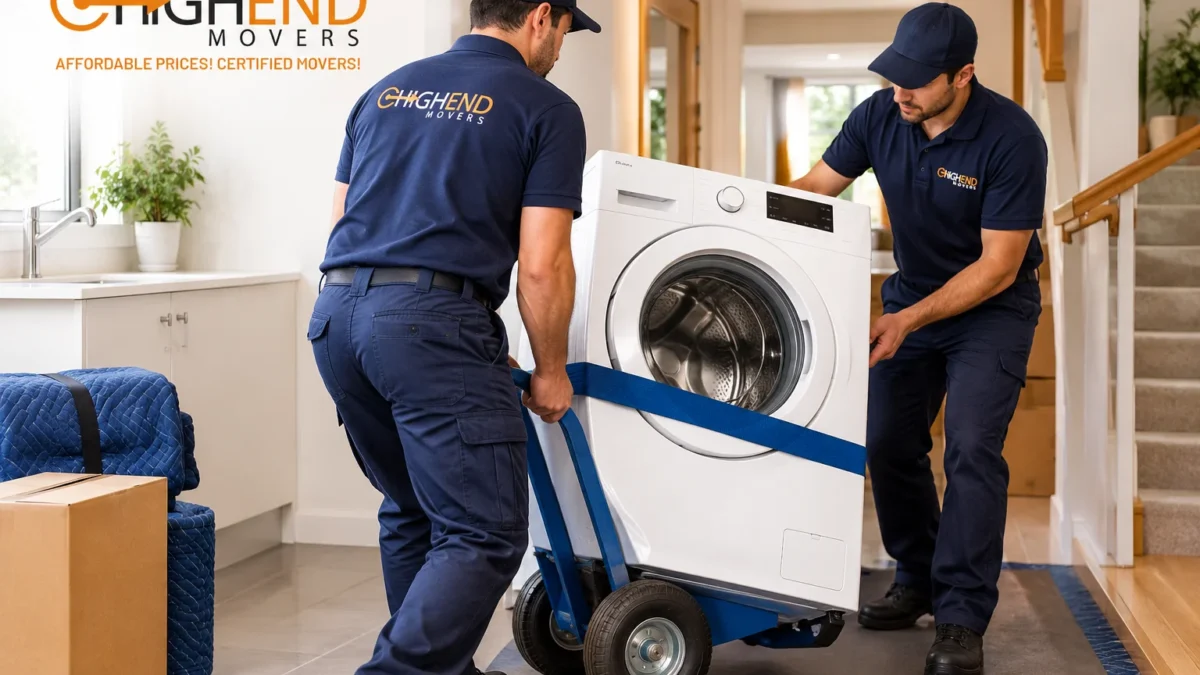
Moving a washing machine requires careful preparation because the appliance is heavy, awkward to carry and has a thin internal drum suspension. If you know how to move a washing machine correctly it can help prevent damage to the appliance, floors and walls while reducing the risk of back injuries. Whether you are moving across Brisbane or relocating to another city the process involves more than opening the machine and loading it into a vehicle. You need to drain the remaining water, disconnect the hoses, secure the drum and transport the appliance safely.
If you are planning a home relocation so Highend Movers can help make the moving process more manageable with professional moving support in Brisbane. From handling heavy household furniture to assisting with your wider relocation, our team can help you plan your move according to your requirement. You can call 0491737959 or email info.highendmovers@gmail.com to learn more about our services.
This guide explain how to prepare your washing machine, disconnect it properly, protect its internal components and transport it safely. You will also learn how to move a washing machine through narrow doorways or down stairs, what equipment you need and how to reinstall it at your new home.
What to Know Before You Move a Washing Machine
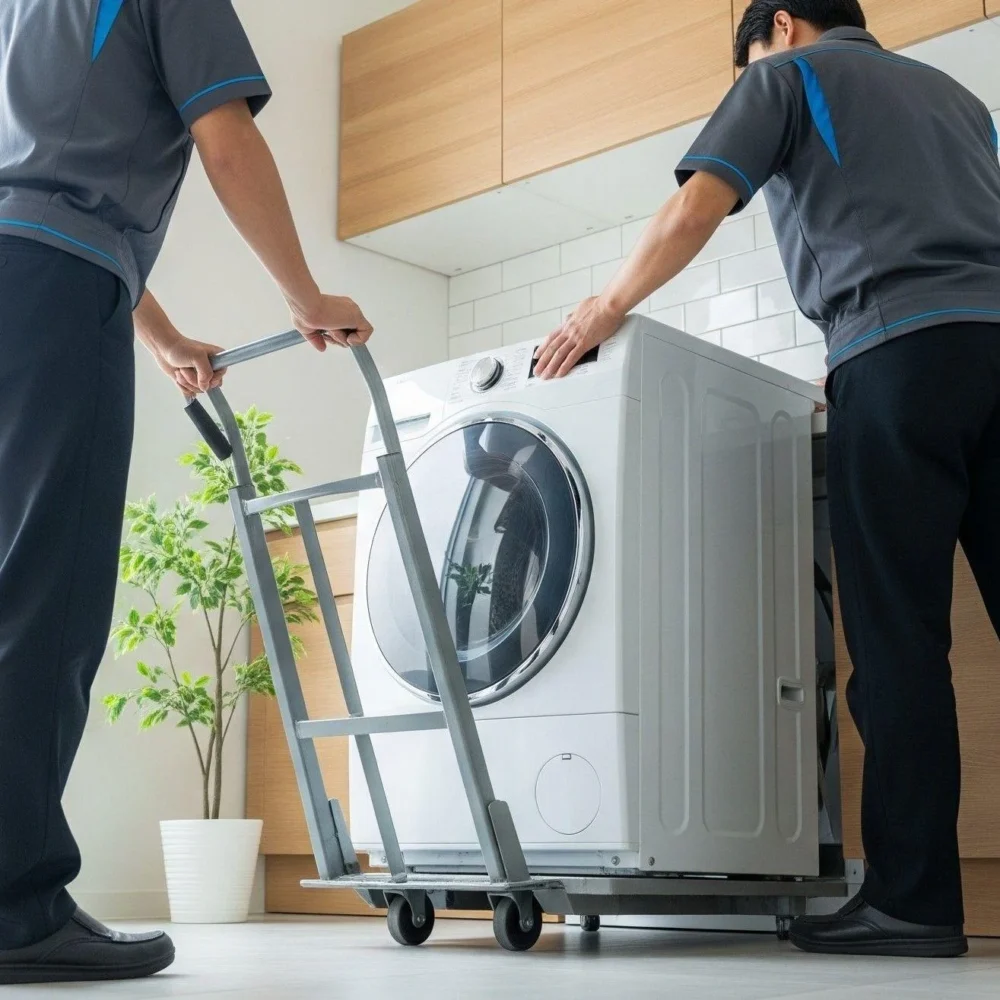
Usually household machine weigh approx. 60-90 kg although the exact weight depend on the model and capacity. You should check the manufacturer’s specification before planning the move and never think that two people can safely lift every machine.
The drum and suspension system are particularly important. These component absorb movement during washing and rough handling can damage them. Front loading machines are especially sensitive to drum movement during transport which is why many models requires transit bolts. Top loading machines have different internal designs but they still need careful handling.
Before starting, you should read the manufacturer’s instruction. Your manual will explain how to drain the appliance, secure the drum and prepare it for transport. If the machine is under warranty check whether any specific moving requirement apply.
Tools and Supplies You Will Need
You should gather everything before disconnecting the appliances to avoid rushing during the move.
- Appliance dolly or suitable moving trolley
- Manufacturer approved transit bolts where required
- Moving blankets or thick protective padding
- Heavy duty moving straps
- Bucket and absorbent towels
- Adjustable wrench or suitable pliers
- Packing tape and bag for hoses
- Two or three capable helpers depending on the machine and route
- Floor protection and measuring tape
Wear closed toe shoes and keep the route clear of loose rugs, cables and other obstacle. If you have stairs or tight corners, plan how the appliances will pass through them before lifting.
How to Move a Washing Machine: Step by Step
Follow the following steps to prepare, lift and transport your washing machine safely:
Step 1: Empty and Clean the Machine
Remove all clothing from the drum and check that no small item remain inside. If the machine need cleaning, run an appropriate cleaning cycle before moving day. Allow the drum, detergent drawer and door seal to dry as much as possible to reduce moisture and unpleasant odour during transport.
Check the manufacturer’s instruction before cleaning especially if the machine will be disconnected immediately afterwards. Leave the door open briefly to help the interior dry then close and secure it before moving.
Step 2: Turn Off the Power and Water
Switch off the washing machine and unplug it from the electrical outlet. Remember never pull the appliance by its power cord.
Next close both water supply taps if fitted, to prevent leaks when you disconnect the inlet hoses. If a tap is difficult to turn so avoid forcing it. Resolve the issue before removing the hose or arrange assistance from a qualified professional.
Keep the plug and electrical connection away from standing water throughout the process. Make sure the area around the appliance is dry before handling electrical component.
Step 3: Drain and Disconnect the Hoses
Even after a wash cycle finishes water may remains in the drain hose, pump or filter. Check the manual for the correct draining procedure. If your model has an emergency drain hose or accessible pump filter, prepare a shallow container, and towel before opening it.
Disconnect the water inlet hoses carefully and allows any remaining water to drain into a bucket. Remove the drain hose from its outlet taking care not to spill water across the floor.
Place the hoses and any removable fitting in a labelled bag. Secure the bag to the rear of the machine without covering vents or damaging connection. This keep the parts together and make reconnecting the appliance easier at your destination.
Step 4: Secure the Drum With Transit Bolts
Transit bolt are designed to hold the drum in position during transport. Without the appropriate protection excessive movement can damage the drum suspension and other internal components.
For front loading models that requires transit bolts, install them according to the manufacturer’s instructions. The bolt locations and fitting procedures vary by model so never force a bolt into the wrong opening.
If the original bolts are missing so contact the manufacturer or an authorised appliance service provider for the correct replacement. Foam or cardboard packing may protect the exterior but it is not a reliable substitute for the specified drum restraint. Avoid moving the machine over rough ground until you have confirmed the appropriate transport procedure.
Step 5: Secure the Power Cord and Door
Coil the power cord loosely and secure it to the back of the machine with tape or a suitable fastener. Avoid tight bend that could damage the cable.
Close the door and secure it gently with tape if recommended for your model. Do not apply tape to delicate finishes or surface that could be damaged by adhesive. Check that the detergent drawer and other removable component are closed or secured before moving the appliance.
Step 6: Slide the Machine Out Safely
Remove any nearby item and protect the floor with suitable moving sheets or protective boards. If the machine sits under a benchtop check for clearance before pulling it forward.
Move the appliance slowly and evenly using help to control its weight. Never pull it by the hoses, door, detergent drawer or power cord. Avoid dragging it across tiles, timber or vinyl flooring as this can cause scratches and other damages.
If the machine is stuck, stop and check whether a foot, pipe or other obstruction is preventing movements rather than forcing it free.
Step 7: Load It Onto an Appliance Dolly
An appliance dolly make moving a heavy washing machine across level ground much easier. With assistance tilt the machine only as much as necessary to position the dolly underneath it. Keep your back in a neutral position and bend your knees when handling the load.
Secure the appliance firmly to the dolly with moving straps following the equipment manufacturer’s instruction. Check that the machine is balanced and cannot slide or tip.
One person should guide the dolly while another help stabilise the load. Move slowly particularly over thresholds and uneven surfaces. Never exceed the dolly’s weight capacity or attempt to control an unstable appliance alone.
Step 8: Move It Through Stairs, Doors and Tight Spaces
Measure the machine and check the width and height of doorways, hallways and access point before moving day. Includes handles, door frames and turning space in your measurement. Remove obstacles and where appropriate, doors that can be safely detached to create additional clearance.
Stairs requires extra caution because the weight can shift suddenly and cause serious injury. Do not attempt to carry a washing machine up or down stairs using improvised straps or an unsuitable trolley. If the route involve multiple flights, narrow landings or difficult turns so professional movers are usually the safer choice.
For a Brisbane relocation involving stairs or restricted access experienced washing machine removalists can assess the route and use suitable equipments to move the appliance with greater control.
Why Hiring Local Brisbane Movers Is a Safer Option for Moving a Washing Machine
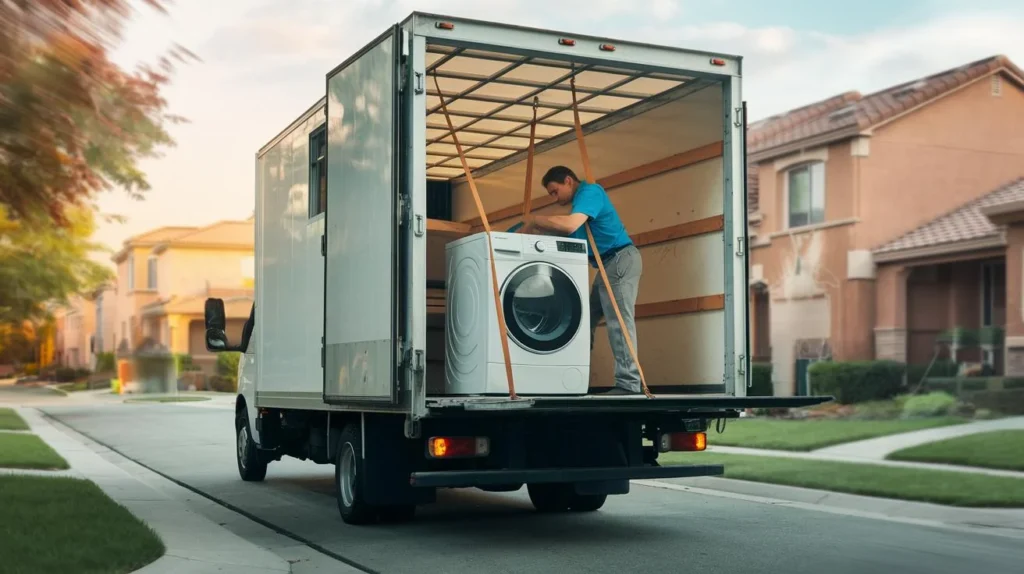
Moving a washing machine involve more than lifting a heavy appliance. Incorrect handling can damage the drum, scratch floors, harm door frames or cause injuries especially when navigating stairs and narrow hallways. Hiring local Brisbane movers can make the process safer and more manageable as experienced removalists can use suitable equipment, protective materials and safe lifting technique to handle heavy appliances.
Highend Movers provide moving services in Brisbane to help make home relocation easier to manage. Whether you are moving a washing machine along with other household furniture or planning a complete house move our team can discuss your requirement and help you plan the process. With the right preparation and moving support you can reduce the physical efforts involved and minimise the risk of damage during transport.
If you need assistance with your next relocation explore Highend Movers’ furniture removal services or house removal services to find a suitable moving solutions for your needs.
FAQs About How to Move a Washing Machine
1. Can you move a washing machine on your own?
Trying to move a washing machine by yourself is not an idea because the washing machine is heavy and hard to handle. It is better to use lifting tools and get help from others. If it is hard to move then it is better to hire people who move things for a living.
2. Do you need to drain a washing machine before moving it?
Yes. You should empty the water that is left in the machine, the tubes and the filter if the maker says it is okay. This helps stop water from spilling and keeps the moving vehicle from getting wet.
3. Can you lay a washing machine on its side when moving?
It is usually best to keep the washing machine standing straight. Laying it down can cause it to break inside or let water get to the parts that have electricity. If you want to move it in another way check what the maker says.
4. How do you move a washing machine without transit bolts?
Look at the manual. Call the maker to find the right bolts or a safe way to move it. Do not think that boxes or soft stuff will hold the part properly. If you are not sure it is safe get help from people who know how to move things.
5. How much does it cost to have a washing machine moved?
The price depends on how it is, how easy it is to get to if there are stairs how much work is needed and if the washing machine is part of moving everything. Ask for a price based on where you’re picking it up where you are taking it and any problems, with getting in or out. This will help you know what to expect.