


How to Move with Plants
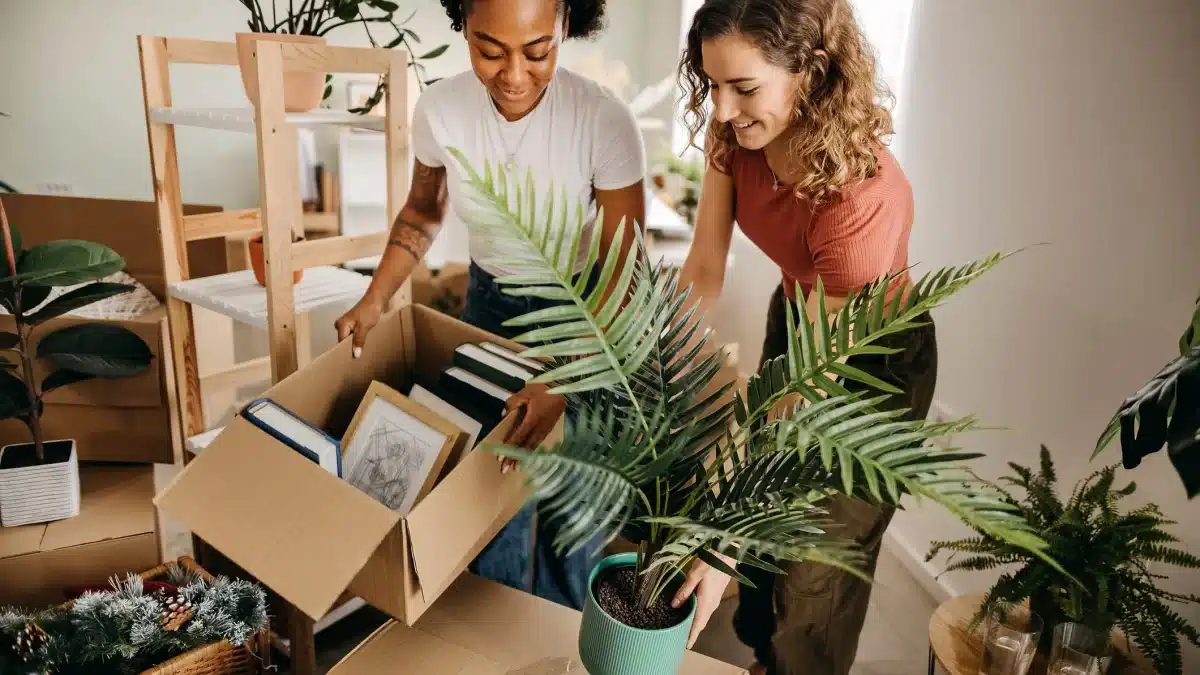
How to Move with Plants – Moving can be an enjoyable experience, but when you’ve got houseplants involved, it presents an extra level of difficulty that a variety of people don’t think about. Plants are living, fragile entities that require care, attention, and the proper conditions to flourish, and moving often imposes a type of stress that can be detrimental to them. You may be moving around the corner or to an entirely different state, but by planning, you can ensure that your leafy companions will arrive happy to be planted in your new home. The information in this blog will help you move your plants both safely and efficiently, and will go from what your pre-move plants prep looks like to moving them into your new home.
Understand Conditions Before You Move
Before you get started packing your plants, you should understand if there are any regulations or rules. If you are moving across state lines or plan to leave the country, there are a variety of reasons why some plants may be regulated, including pests, diseases, or undesirable species. For example, both Florida and California have rules for importing some plants. Call your local Department of Agriculture or your moving company for current regulations. If you are flying to your new home, be aware that airlines often have restrictions for bringing plants in should be on your person or in checked luggage, and may need to comply with agricultural inspections.
Evaluate Your Plant Collection
Moving is a great time to evaluate your collection. Do you want to keep all the plants? If you have big plants, or if certain plants are suffering and/or have outgrown your area, consider leaving them or giving them to friends/neighbours. Focus on taking healthy and manageable plants.
Prepare Your Plants Ahead of Time
You should start preparing your plants at least two weeks before your moving date. Here’s how –
Cut back your plants – Cut back dead leaves, dead stems, and dead flowers. This will help reduce the size of your plants and make them more manageable.
Change pots, if necessary – If your plants are in heavy ceramic or fragile pots, transfer them to lightweight plastic pots. This will help prevent damage and will be easier to move.
Look for pests – Take care of any pest problems before moving, to avoid bringing “friends” to your new house.
Water your plants properly – Water your plants a few days before moving day. The soil should be moist, but not sopping wet; too much water can cause leaks and mess during the move.
Packing Your Plants
Packing plants correctly is the first step to keep them safe and sound during the move.
For small to medium plants –
- Put each pot in a strong box, and line it with plastic or garbage bags to catch any loose soil that might fall out.
- Use packing paper or bubble wrap to fill in empty areas around the pots to prevent them from tipping over.
- If you are going to seal the boxes, poke some holes in the top of the boxes for air.
For larger plants:
- Pack the pot first with the plastic or newspaper to contain the soil.
- Gently tie up any hanging branches or fronds with soft twine.
- You can protect the foliage by using old sheets or sleeves for plants.
Make sure to label the boxes clearly and label boxes as breakable or this side up. Keep plants upright as much as possible.
Transporting Your Plants
- Always transport plants in your vehicle instead of the moving truck. Moving trucks usually become too hot or too cold and put plants in shock or kill them.
- Keep plants in the back seat or back cargo area, where they can get some light and air.
- You should not leave them in an enclosed vehicle for a long period of time, especially in extreme weather conditions.
- Secure pots so they will not move or tip over.
For long trips, stop every few hours to check your plants and let them breathe if they are boxed up.
Arriving At Your New Home
Unpack your plants as soon as possible. Remove any wrapping and inspect them for damage. If they look wilted or stressed, give them time to adjust; moving is tough on plants, too. Place your plants in similar conditions to what they had before. For example, if a plant thrived in indirect light near a north-facing window, try to replicate that in your new home. Wait a week or two before reporting or fertilizing to give them time to recover.
Tips For Special Situations
Outdoor Plants – Dig up the garden with a lot of the root ball attached. Wrap the roots in damp burlap or plastic. Replant as soon as you arrive.
Succulents and cacti – These are hardy but still need care. Wrap them loosely in newspaper and keep them dry during the move.
Cuttings – For big or impractical plants, consider taking cuttings instead of the whole plant. Wrap cuttings in damp paper towels and transport them in plastic bags.
Conclusion
Moving with plants takes effort, but with some planning and care, you can keep your green family thriving during the time of move. By preparing early, packing properly, and offering the right conditions during travel, you will be rewarded with healthy, happy plants in your new home. Your plants have been part of your regular life, bringing them along makes your new place feel like home that much quicker.
FAQs
Can movers move my plants?
Many professional moving firms would not move plants, specifically for long-distance moves. This is due to temperature changes, lack of light, and the risk of pest transfer across state lines. Always ask your moving firm about their policy. If they do not move them, plan to take your plants in your vehicle.
How do I move plants throughout winter or summer extremes?
Extreme temperatures can be dangerous for plants. In winter, wrap plants with newspaper or blankets to protect them from cold drafts. Warm up your car before loading them. In summer, avoid leaving plants in a hot car for too long; heat can cook them quickly. Try to move early in the morning or late in the evening to avoid peak temperatures.
What should I do if my plants go into shock after the move?
Plant shock is common after a move. Signs include wilting, yellowing leaves, or leaf drop. Give your plants time to adjust to the situation, and keep them in a stable environment with the right light and temperature. Avoid fertilizing or repotting until they perk up. Trim any dead foliage and ensure they are watered properly, not too dry, not too wet.