


How to Pack Fragile Items for a Move
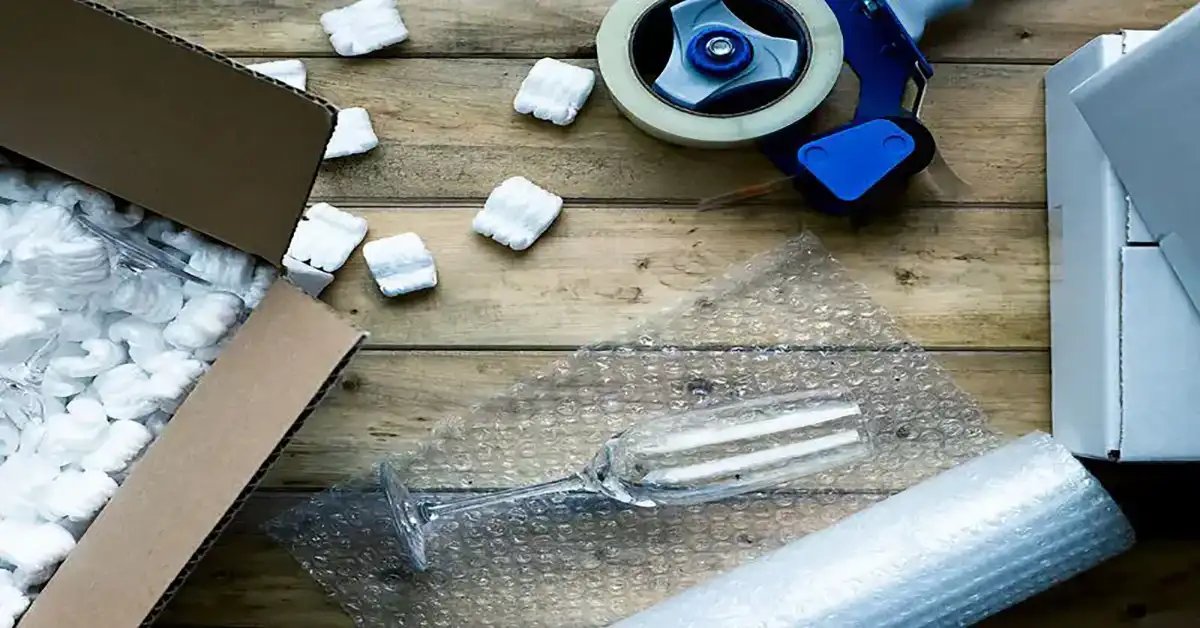
Knowing what’s your next move and all aspects around it can be a difficult thing to do, with all that’s about to be yours and all you will be able to see and make yours with the move. Packing fragile items like the ones that you hold close to your heart, like that photo frame with the picture of your kid playing golf for the first time, or that vase that still holds the dried rose you got your wife on the first date. Handling them with care is everyone’s priority and should be treated as such right from the start.
All the right ways to have an effortless packing and carefree move can be listed out and can be used for our maximum benefits, and the following blog does exactly that. Here’s how to pack fragile items for a move.
Your Guide to Packing Fragile Items for a Move
Having the right kind of guidance while packing fragile items and being mindful about what is packed and where it goes can be a difficult task. With the given information and the right ways to carefully pack your fragile items, this can be a great way to have an effortless move and have a fun time while moving.
Prepare Before Packing
Take time to gather the right supplies such as bubble wrap, packing paper, sturdy boxes, tape, and markers. Clean and dry the items so they don’t trap moisture or dust inside the wrapping. Create a packing plan—decide which items will go in which boxes, and prepare a soft base layer with packing peanuts or crumpled paper. This helps you ensure what is packed, what still needs assurance, and what can be packed away, ready for transfer.
Pack All the Nooks and Crannies
When packing fragile items, leaving empty spaces inside the box is risky because items can shift and break. Always fill all the nooks and crannies with soft materials like foam, crumpled packing paper, or bubble wrap. This cushioning prevents movement and absorbs shocks during transport. For oddly shaped objects, pay extra attention to corners and gaps around them. With all that’s about to show up for you and your new home, packing every nook and cranny can be of great use while exercising the process of how to pack fragile items for a move. Let professionals also be of help by taking some of the major burdens off your shoulders, allowing you to focus on other aspects of the move. Movers in Brisbane can be of most relevance here.
Use Smaller Boxes for Heavy Fragile Items
Smaller boxes are easier to carry, reducing the chances of dropping or mishandling. They also prevent overpacking, which can put too much pressure on the contents and cause them to break. By limiting the weight, you ensure better balance and sturdiness of the box during lifting and transport. Use adequate cushioning materials inside to secure each piece individually. Label boxes correctly and let the professionals manage all other tasks. The following items should be packed carefully:
- Glassware & Dishes – Plates, bowls, cups, and glasses are prone to cracks and chips.
- Electronics – TVs, computers, cameras, and gaming consoles require padded boxes.
- Decor & Artwork – Mirrors, photo frames, paintings, and sculptures need bubble wrap and sturdy packing.
- Kitchen Items – Ceramic, china, and small appliances should be wrapped individually.
- Collectibles & Antiques – Figurines, souvenirs, or vintage items must be cushioned well.
- Jewellery & Personal Valuables – Small items should be kept in padded cases or carried separately.
- Important Documents – Passports, certificates, and files should be packed in waterproof folders.
- Musical Instruments – Guitars, violins, or keyboards need padded cases for safe transport.
Mark the Boxes Clearly
Labelling boxes with fragile items is essential to ensure safe handling. Clearly mark each box with the word “FRAGILE” and indicate “THIS SIDE UP” if necessary. Use bold markers or pre-printed stickers so the labels are easily visible. Proper labelling informs movers to treat the box with extra care and avoid stacking it under heavier loads. Additionally, marking boxes by room or item type makes unpacking quicker and more organised.
Stack Delicate Items Vertically, Not Horizontally
When packing delicate items like plates, mirrors, or frames, always stack them vertically rather than flat. Stacking horizontally puts pressure on the bottom items, increasing the risk of cracks or breakage. Vertical stacking, however, distributes weight more evenly and minimises stress points.
Wrapping Up !!
Knowing how to pack everything the right way and their entire packing process can be helpful when preparing for a big move. We hope to provide you with all the necessary information required for a perfect and effortless move.
Frequently Asked Questions
Should fragile items be packed individually?
Absolutely. Wrapping each fragile item separately—especially plates, glasses, artwork, or electronics—ensures they don’t bump into each other and reduces the risk of damage.
How do I choose the right box size for fragile items?
Use small to medium sturdy boxes; they’re easier to handle and minimise movement inside. For very delicate or oddly shaped items, use “dish packs” or custom-sized boxes.
How should heavy and light items be arranged?
Place heavier items at the bottom of the box to prevent lighter, fragile items from getting crushed and to maintain stability during transport.
What are the best materials for packing fragile items?
Bubble wrap is widely recommended as the go-to material, but alternatives like packing paper, paper bubbles, foam, or even reusable cloth and towels work well too—especially when layered or used as cushioning.
Can I pack fragile items without bubble wrap?
Yes! You can use towels, clothes, blankets, newspapers (unprinted), or packing paper. Just wrap items carefully in layers, secure them with tape, and make sure the cushioning remains in place.