


Cost of Living in Brisbane
Brisbane is considered one of Australia’s more affordable capital cities, offering a balanced lifestyle with relatively moderate living expenses compared to Sydney and Melbourne. However, the cost of living in Brisbane still depends heavily on individual lifestyle choices, housing preferences, and location within the city. Here’s the cost of Living in Brisbane for you to dissect and understand what works best for you.
Key expenses include accommodation, utilities, groceries, transport, healthcare, and leisure activities. In recent years, population growth and rising demand for housing have influenced prices, particularly in rental markets. Understanding the different cost components helps residents, students, and migrants plan their finances more effectively and make informed decisions about where and how to live in Brisbane. Let Highend Movers be at your service for this and help you construct a great move.
A typical estimated monthly cost of living in Brisbane in 2026 for a single person is about AUD 3,000-3,500 (approximately USD 2,000–2,400) covering rent, food, utilities, transport and basic expenses
What Affects the Cost of Living in Brisbane in 2026
The cost of living in Brisbane in 2026 is influenced by several interconnected factors. Housing remains the biggest driver, with population growth, limited rental supply, and strong interstate migration continuing to push rents upward. Inflation and interest rates affect everyday expenses such as groceries, utilities, and fuel, while wage growth determines how affordable these increases feel for residents.
Government policies, including infrastructure spending, public transport pricing, and energy regulations, also play a role in shaping household costs. Additionally, global economic conditions, supply chain stability, and climate-related impacts on food and energy prices all contribute to overall living expenses in Brisbane.
Housing & Accommodation
Housing and accommodation represent the largest component of living costs for most households in Brisbane. This category includes rent or home loan repayments, property maintenance, council rates, and utilities such as electricity, water, and internet. Prices vary significantly depending on the suburb, property type, and proximity to the city or public transport.
Inner-city apartments tend to be more expensive, while outer suburbs generally offer more affordable options with larger living spaces. Understanding housing costs is essential for budgeting effectively, as even small changes in rent or interest rates can have a substantial impact on overall monthly expenses.
Monthly Living Expenses Breakdown
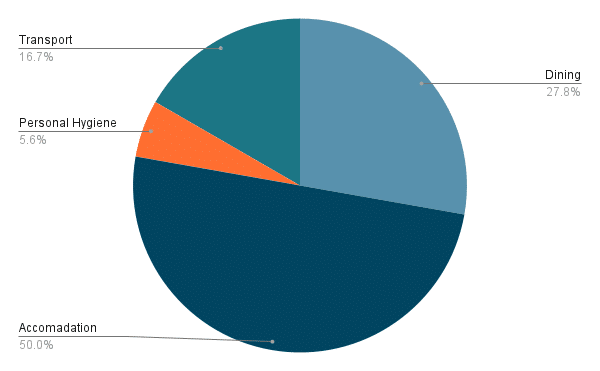
Understanding monthly living expenses is essential for effective budgeting. This breakdown provides a clear overview of typical costs, including housing, utilities, food, transportation, and personal expenses, helping individuals plan their finances and make informed decisions for a balanced lifestyle. According to the Australian Bureau of Statistics, the following are the estimates for the cost of living in 2026.
Dining (Food & Eating Out)
Includes groceries + occasional eating out. Food is a major variable, but it typically consumes about one-quarter of discretionary + living spend.
Accommodation (rent + basic utilities)
Rent is by far the highest cost in Brisbane and commonly absorbs 40–50% of income/spend for renters in metro areas. It covers most of your expenses after food. Make sure to let there be ample capital for this.
Personal Hygiene (toiletries, grooming, basic care)
This is a low but consistent expense category covering essentials like soap, shampoo, toothpaste, etc. This might feel like a want, but it is a need and should be followed at all times.
Transport (Public Transport, Fuel, Ride-Shares)
Covers commuting and local travel; Brisbane has moderate transport costs relative to Sydney/Melbourne.
Lifestyle & Discretionary Expenses
Lifestyle & Discretionary Expenses refer to the non-essential costs that enhance comfort, convenience, and quality of life beyond necessities such as housing and food. These expenses typically include dining out, entertainment, travel, fitness memberships, hobbies, shopping, streaming subscriptions, and personal indulgences.
While they are not mandatory for daily survival, they play an important role in social life, mental well-being, and personal satisfaction. The level of discretionary spending varies significantly based on income, lifestyle choices, family size, and personal priorities. Managing this category carefully allows individuals to enjoy their lifestyle while still maintaining financial stability and meeting long-term savings and investment goals.
Money-Saving Tips in Brisbane
Living in Brisbane can be affordable with smart and calculated choices. By managing housing, transport, utilities, and daily spending wisely, residents can significantly reduce their monthly expenses without sacrificing comfort or lifestyle. These practical tips can help you make the most of your budget while living in the city.
- Live in outer suburbs or along major train and bus lines to reduce rent while keeping commute costs manageable.
- Use a Go Card and take advantage of off-peak and concession fares to save on public transport.
- Shop at local markets and discount supermarkets instead of premium grocery chains.
- Compare electricity, gas, and internet providers regularly to switch to lower-cost plans.
- Limit air-conditioning use and invest in energy-efficient appliances to reduce power bills.
- Take advantage of Brisbane’s free outdoor activities, parks, and public events for entertainment.
- Share accommodation or choose a smaller home to significantly lower housing and utility expenses.
How can Highend Be Your Guide in This
Highend has all the right ways to help you with figuring out the cost of living in Brisbane in 2026. Here’s how High End has your back.
- We have a team of professional removalists who handle all types of moves and treat your assets with care and respect.
- Our company offers a broad range of moving services, including transportation, packing, unpacking, loading, unloading, and much more.
- Also, we safely pack all your belongings and move them promptly. You won’t need to take stress because you are in secure hands with Highend Movers!
- If you want to move short or long distances, and want to hire a professional house mover in Brisbane. Then rest assured because Highend Movers is the trusted name providing moving services locally or interstate.
- We not only save you money and time but also decrease your stress of moving without damaging your items. Hire our team of professionals right now. We are always with you every step of the way.
Conclusion
We hope to have given you all the right information for the right purchase-expenditure ratio, giving you all you need to spend your money on. High-end works with all that, so you don’t have to. Make sure to head over to our website and get a quote on moving today.
Frequently Asked Questions
Is Brisbane an expensive city to live in?
Brisbane is more affordable than Sydney and Melbourne, but costs have risen in recent years, especially for rent, groceries, and utilities.
What is the average monthly cost of living in Brisbane?
A single person typically needs AUD 2,200–2,800 per month, excluding rent, while a family of four may require AUD 4,500–5,500 per month.
How much is rent in Brisbane?
Rent for a one-bedroom apartment ranges from AUD 450–600 per week in the city and AUD 350–450 in outer suburbs.
Are groceries expensive in Brisbane?
Grocery costs are moderate, with an average monthly grocery bill of AUD 400–600 for a single person.
What are the average utility costs in Brisbane?
Electricity, water, and gas together usually cost between AUD 150 and 250 per month for a small household.
How much does public transport cost in Brisbane?
Public transport costs around AUD 40–60 per week, depending on travel zones and frequency.
Is Brisbane cheaper than Sydney or Melbourne?
Yes, Brisbane is generally 15–25% cheaper overall, mainly due to lower rent and commuting costs.
How much does healthcare cost in Brisbane?
Public healthcare is covered under Medicare for residents, while private health insurance may cost AUD 120–250 per month.